

Five Gym Supplements Worth Considering in 2026
Interest in gym supplements keeps rising in 2026, yet the basics still decide most training results: a sound plan, adequate food, sleep, and hydration. Supplements can support those habits, but they can't replace them.
Searches for the Best supplement Store online often turn up crowded product pages and oversized promises. Five options deserve attention, although none is essential for every person. Health history, medications, product quality, and training goals should shape the decision.
https://www.youtube.com/watch?v=vWQoAlB-gys
Key Takeaways
- Creatine monohydrate has the broadest support for strength, power, and repeated high-intensity efforts.
- Protein powder is convenient when food intake falls short.
- Caffeine can improve performance, but sleep and tolerance set limits.
- Beta-alanine and electrolytes fit narrower training conditions.
- Clear labels and tested products matter more than elaborate stacks.
Gym Supplements: What the Evidence Supports in 2026
The phrase "must take" overstates the case. The Australian Institute of Sport places creatine, caffeine, beta-alanine, and electrolyte products among supplements with strong evidence for defined sport settings. An ISSN review of exercise nutrition reaches a similar conclusion: evidence varies sharply by ingredient and exercise demand.
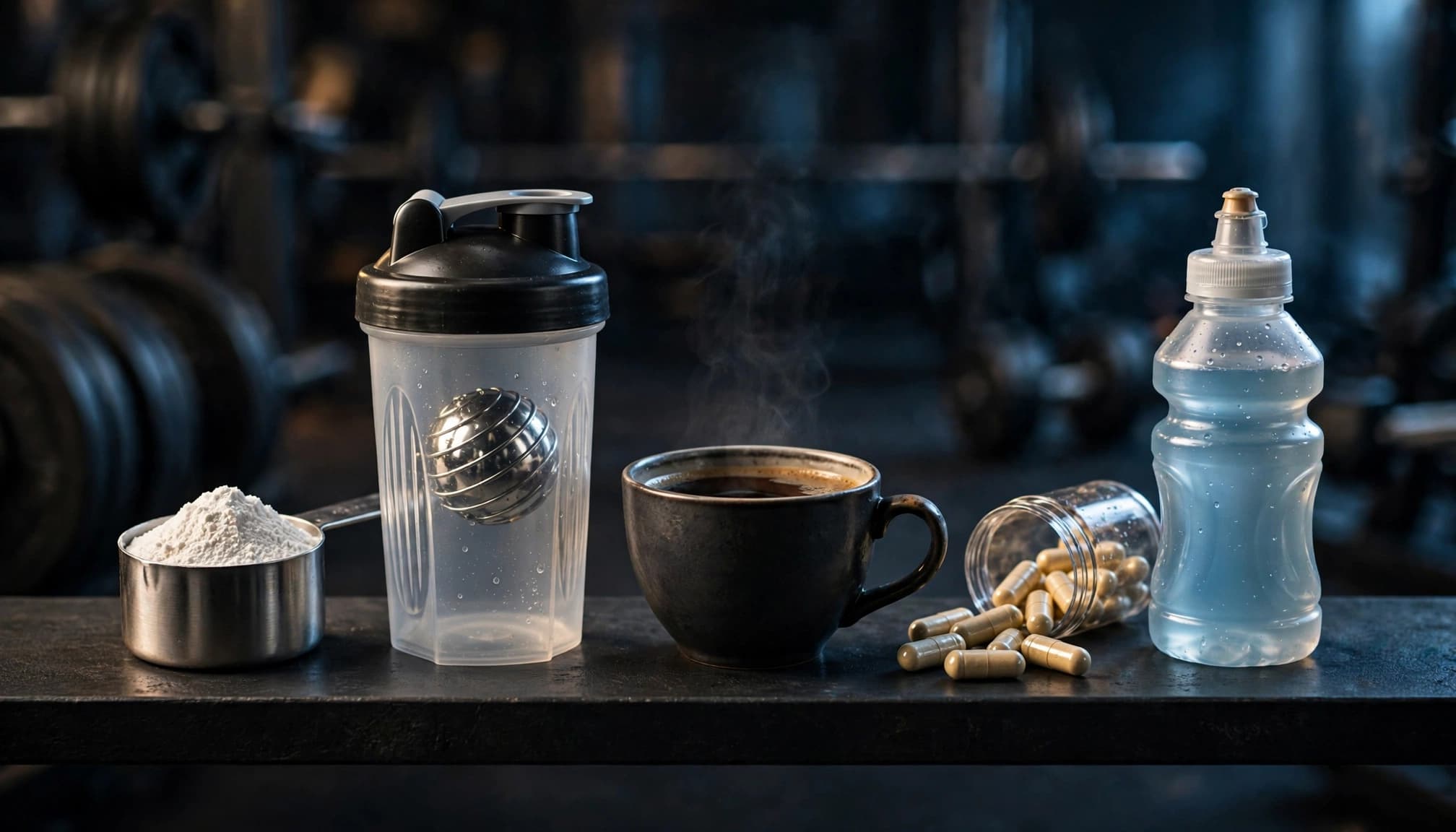
Creatine monohydrate supports strength, power, and repeated hard efforts
Creatine monohydrate is the strongest general option for resistance training, sprinting, and repeated short efforts. A common loading plan uses 20 grams daily for up to seven days, followed by 3 to 5 grams daily. Loading is optional, since daily maintenance doses also raise stores over time.
Some people gain water weight or experience mild stomach upset. Those with kidney disease or related medical concerns should seek professional advice first. Third-party testing is sensible, while endurance athletes shouldn't expect the same clear benefit.
Protein powder helps when meals do not provide enough protein
Whey, casein, soy, and plant blends are convenient foods, not magic muscle builders. Total daily protein intake matters more than powder brand or minute-perfect timing.
Powder can help during busy workweeks, low appetite, calorie deficits, or older age. However, it adds little when balanced meals already provide enough protein.
Caffeine can improve training performance, but dose and timing matter
Caffeine can improve alertness, endurance, strength, power, and repeated efforts. Research commonly uses 2 to 6 milligrams per kilogram of body weight, taken about 60 minutes before exercise. Many people do well at the lower end.
Tolerance differs widely. Caffeine can disturb sleep and worsen anxiety, reflux, palpitations, or blood pressure concerns. People taking stimulants, ADHD medicines, or decongestants should review use with a clinician. Avoid stacking coffee, energy drinks, and stimulant-heavy pre-workouts.
Two Gym Supplements That Depend on Training Style and Sweat Loss
Beta-alanine and electrolytes are useful in narrower circumstances. Their value depends on intensity, duration, heat, and the amount of sweat lost, rather than the simple fact of going to a gym.
Beta-alanine may help during hard intervals and high-volume sessions
Beta-alanine raises muscle carnosine over time. It may assist efforts lasting roughly 30 seconds to 10 minutes, including repeated intervals, rowing, cycling, track work, and demanding lifting blocks.
Typical intake is 4 to 6 grams daily for at least two to four weeks. Smaller divided doses can reduce the common temporary tingling sensation. A performance-supplement evidence review places beta-alanine among ingredients with established support, though easy workouts and low-volume lifting rarely justify it.
Electrolytes are most useful during long, hot, or sweaty workouts
Electrolyte products replace fluid and minerals, especially sodium and potassium, lost in sweat. They may help during long sessions, endurance events, humid weather, or unusually heavy sweating.
Water and ordinary meals are usually enough for a typical gym workout under an hour. Electrolyte drinks aren't automatic recovery products. Anyone on sodium or fluid restrictions should ask a clinician before using them regularly.
How to Choose the Best supplement Store online and Avoid Unnecessary Products
The Best supplement Store online makes comparison possible without hiding what is in the tub or capsule. Look for a clear ingredient list, stated doses, expiration dates, batch details or third-party testing, realistic claims, and accessible company contact information. Products with proprietary blends can obscure stimulant amounts and make dose comparisons difficult.
Contamination and under-dosing matter more than colorful packaging. Shoppers can Explore options while comparing labels against their actual training needs.
Vitamin D and multivitamins are usually optional for gym performance. They make more sense with a documented deficiency, restricted diet, limited sun exposure, or clinical advice. BCAAs add little when daily protein is adequate. Many pre-workouts mainly combine caffeine with smaller doses of other ingredients.
A short, transparent routine is easier to assess and sustain than a crowded stack with overlapping stimulants.
Frequently Asked Questions
Are gym supplements necessary for beginners?
Beginners can make major progress through consistent training, enough food, sleep, and hydration without supplements. Protein powder may make meals easier to manage, while creatine is a reasonable evidence-backed option, not a requirement.
Can creatine and caffeine be taken together?
They are commonly combined. The main concern is total caffeine exposure and individual tolerance, especially when sleep problems, anxiety, heart symptoms, medical conditions, or poor hydration habits are present.
Is a pre-workout better than buying single ingredients?
Single ingredients make doses easier to identify and adjust. Pre-workouts can be convenient, but proprietary blends and high stimulant levels make some formulas harder to evaluate.
Should vitamin D or a multivitamin be part of a gym stack?
Neither is a universal performance supplement. Diet, sun exposure, blood test results, life stage, and professional advice matter more than gym attendance alone. A review of dietary supplements for athletes also distinguishes targeted nutrition support from broad performance claims.
Conclusion
Creatine remains the broadest performance option in this group. Protein powder solves a dietary convenience problem, while caffeine can improve training when used carefully. Beta-alanine and electrolytes fit more limited situations.
A supplement routine should follow training demands and health needs, not marketing categories. Transparent products and clear doses are more useful than a cabinet full of overlapping powders and stimulants.