

Gym Workouts, Sexual Attraction and Libido: The Evidence
Libido, sexual function, confidence, and attractiveness to others are separate outcomes, although workout claims often blend them together. Research supports some sexual-function benefits more clearly than a dependable increase in sexual attraction and libido.
Regular, moderate exercise may support sexual health and confidence, but it doesn't guarantee stronger desire or greater attraction from others. Understanding what studies measure is essential to interpreting those claims.
Does gym workout enhance sexual attraction and libido?
Exercise can support aspects of sexual health, but the answer depends on the outcome. Evidence about erections or self-perception doesn't establish a reliable change in sexual desire or other people's attraction.
A systematic review of exercise and sexual function published in 2023 included 12 randomized controlled trials. Ten primarily investigated erectile dysfunction. That emphasis matters: much of the research concerns physical function rather than desire measured separately.
Libido, arousal, and sexual function are different outcomes
Libido means interest in sex. Physical arousal involves bodily responses, including erections or lubrication, while orgasm and satisfaction describe other aspects of sexual experience.
These outcomes can overlap, but they don't necessarily change together. Someone may experience improved erections without wanting sex more often. Similarly, sex frequency depends partly on circumstances and relationships, so it isn't a direct measure of desire.
Feeling more attractive is not the same as being rated more attractive
Changes in fitness, mood, or body image may influence how someone feels about their appearance. Greater confidence can also affect comfort during intimacy.
However, self-perception and other people's judgments require different evidence. Feeling better after training doesn't establish that others consistently find that person more attractive. Claims about sexual attraction and libido often overlook this distinction.
How exercise may support desire and sexual health
Possible benefits depend on health, circumstances, and the outcome under study. Evidence about sexual function is stronger than evidence for a predictable increase in libido.
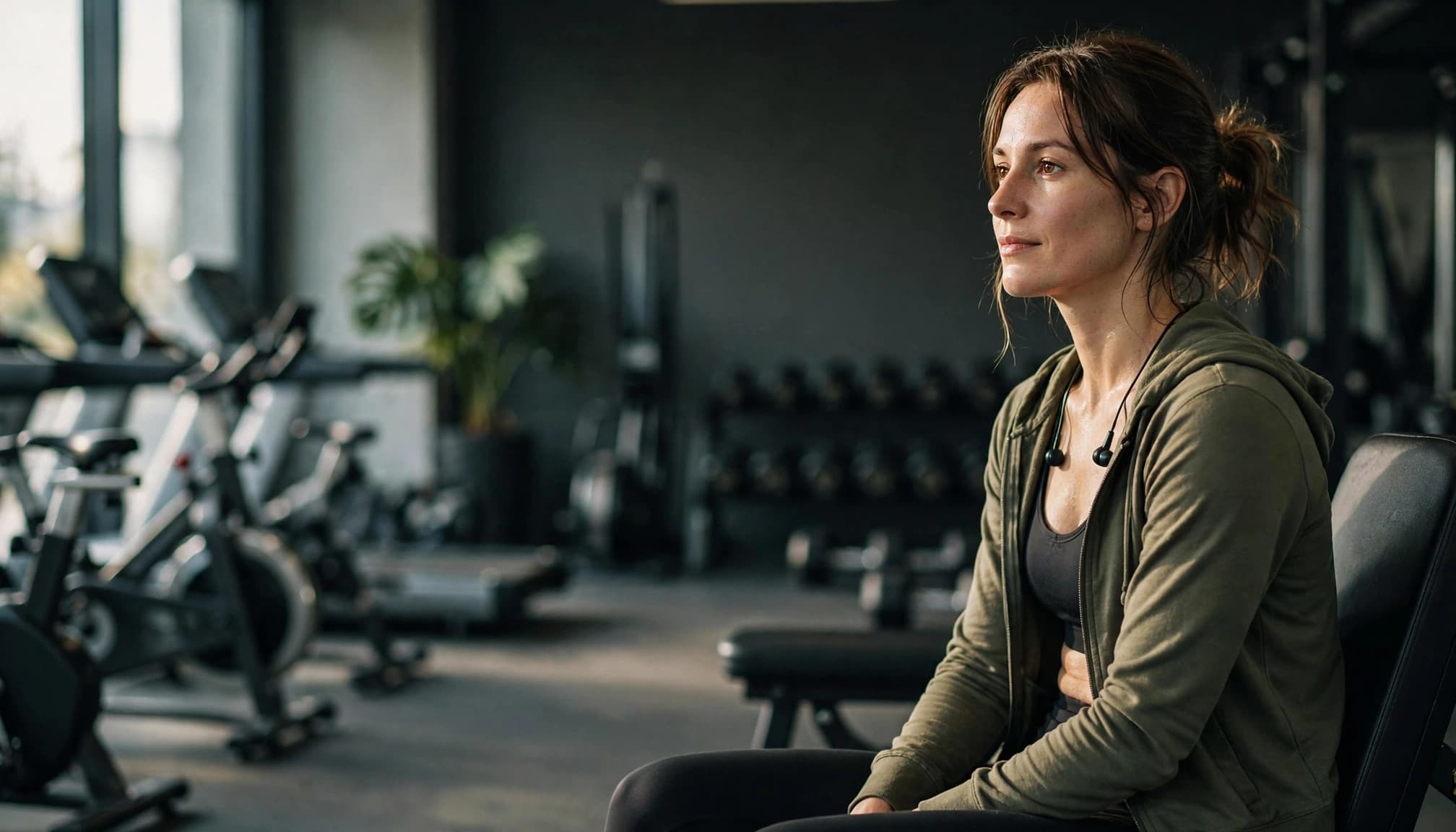
Better fitness may support circulation and sexual function
Aerobic activity supports cardiovascular health, and blood flow is important for erectile function. This connection makes exercise relevant when vascular health contributes to erectile difficulties.
A 2023 meta-analysis of aerobic exercise and erectile function found greater improvements among men with lower baseline erectile-function scores. However, improvement in erections doesn't prove a direct increase in sexual desire. These findings also don't establish equivalent benefits for every sexual difficulty.
Mood, stress, sleep, and confidence can shape interest in sex
Stress, poor sleep, and mood difficulties can affect sexual interest. Exercise may help some people with these concerns or improve comfort with their bodies.
Those are possible indirect pathways, rather than a proven sequence in which training reliably increases libido. Individual responses vary. Physical activation after exercise, such as a faster heartbeat, also differs from wanting sex. A study's measure of arousal shouldn't automatically become a claim about desire.
Hormone claims need more than a workout headline
Claims that a workout raises testosterone and therefore increases libido compress several separate questions into one promise. Hormone responses vary with training, recovery, and energy intake.
A temporary change after exercise doesn't establish a lasting hormonal change or stronger desire. Likewise, greater strength or muscle size isn't evidence that sexual interest has increased. Hormone findings need interpretation within the person's broader health context.
What kind of workout supports health without overdoing it?
The Physical Activity Guidelines for Americans recommend 150 to 300 minutes of moderate aerobic activity weekly, or 75 to 150 minutes of vigorous activity. Adults should also perform muscle-strengthening activity at least two days per week.
These are general health benchmarks, not proven thresholds for increasing desire. They don't prescribe a sexual-health result or identify an ideal gym routine for libido.
Combine manageable cardio with strength training
Walking, cycling, swimming, and similar activities can build aerobic fitness. Strength training complements that work through exercises involving the major muscle groups.
The practical emphasis is a routine that fits a person's health and allows consistent participation. A gym workout can contribute to that routine, but exercise doesn't require gym membership. No exercise type has established a guaranteed treatment effect for low libido, and general activity targets shouldn't become promises about sexual performance.
Recovery and enough food matter as much as effort
Exercise increases energy needs. When intake repeatedly falls short of those needs, health and performance can suffer.
The IOC consensus on low energy availability describes reduced reproductive function among the possible consequences of problematic energy deficiency. It also identifies low libido and fewer morning erections as emerging potential indicators in males.
These findings concern problematic under-fueling, not ordinary exercise itself. They support attention to adequate food and recovery rather than the assumption that more training always improves sexual health.
When low libido calls for a broader look than exercise
Persistent or distressing changes in desire deserve clinical assessment. Health conditions, medications, mood, sleep, relationship circumstances, and energy availability can all contribute. Exercise alone can't identify which factor matters.
A clinician can assess the timing of symptoms and distinguish reduced desire from difficulties involving arousal, erections, pain, or satisfaction. That distinction affects the appropriate response. Medication-related concerns also warrant review rather than stopping prescribed treatment without guidance.
Sleep and recovery, recurring topics in our Nutrition & Wellness Journal, belong within this broader health picture. However, neither workout advice nor supplements substitute for assessment when concerns persist. A product's name or promised benefit doesn't establish that it addresses the cause of reduced desire.
Conclusion
Exercise can support cardiovascular health, fitness, mood, and confidence. Some research also supports improvements in erectile function, but direct effects on sexual attraction and libido remain less certain.
The strongest conclusion concerns sustainable activity and overall health, rather than a promised sexual or appearance outcome. Better physical function, stronger desire, and being considered more attractive remain separate results, even when a workout claim treats them as interchangeable.