

Why Your Body Needs Magnesium and Daily Liver Support for Better Health
 Why Your Body Needs Magnesium and Daily Liver Support for Better Health
You wake up tired, your shoulders already feel tight, and the day starts with coffee, screens, and a grab-and-go breakfast. By evening, your mind is still racing, your legs feel heavy, and sleep doesn't come easy.
That pattern wears the body down. Magnesium helps you make energy, relax muscles, steady the nervous system, and sleep more deeply. At the same time, your liver works all day and night to filter, process, and clear waste. It already detoxes your body on its own, so the goal isn't a harsh cleanse. It's daily support.
Many adults still fall short on magnesium, and that gap can show up as fatigue, cramps, poor sleep, and feeling on edge. Let's keep this practical.
Key takeaways
- Magnesium helps with energy, muscle function, nerve balance, and sleep, but low intake is common.
- Food should come first, then supplements if your diet or symptoms suggest you may need more.
- The best magnesium supplement depends on your goal, such as sleep, calm, digestion, or mental clarity.
- Your liver doesn't need extreme detox plans. It needs steady habits like water, fiber, movement, sleep, and less alcohol.
Magnesium is the quiet helper behind energy, sleep, and a calmer mind
Magnesium works behind the scenes, like the stage crew in a play. You don't see it, but the show falls apart without it. Your body uses it in hundreds of processes, including ATP production, which is how your cells make usable energy.
It also helps muscles relax after they contract, supports healthy nerve signals, and helps keep your stress response from running too hot. That's why magnesium for sleep and magnesium for stress and anxiety get so much attention. The results in research are promising, though usually modest, and they tend to show up over time, not overnight.
What magnesium does for your body every single day
Think of magnesium as a steady hand on several control knobs at once. It helps energy production, supports a normal heartbeat, aids blood sugar balance, and keeps nerves from feeling overstimulated. It also helps muscles release tension after a workout, a long drive, or a stressful day.
That doesn't mean it's a cure-all. Still, it plays a broad role in daily health, which is why sources like Cleveland Clinic's guide to magnesium describe it as one of the body's major support minerals.
Common signs you may not be getting enough magnesium
Low magnesium doesn't always announce itself with one big symptom. More often, it whispers. You may feel worn out, sleep lightly, clench your jaw, or notice more muscle cramps and headaches than usual.
Some people also feel more irritable, anxious, or less able to handle stress. Migraines, twitches, and restless sleep can show up too. Still, these signs overlap with many other issues, so don't self-diagnose from symptoms alone. If the pattern keeps showing up, it's smart to review your diet and talk with a healthcare professional. For a plain-language overview of common warning signs, see Healthline's summary of low magnesium symptoms.
How much magnesium you need, and the best food sources to start with
For most US adults, the daily target is about 400 to 420 mg for men and 310 to 320 mg for women. Needs can change during pregnancy, so personal guidance matters.
Food is the best place to start because it brings fiber, minerals, and other nutrients with it. Good sources include spinach, pumpkin seeds, almonds, beans, whole grains, and other dark leafy greens.
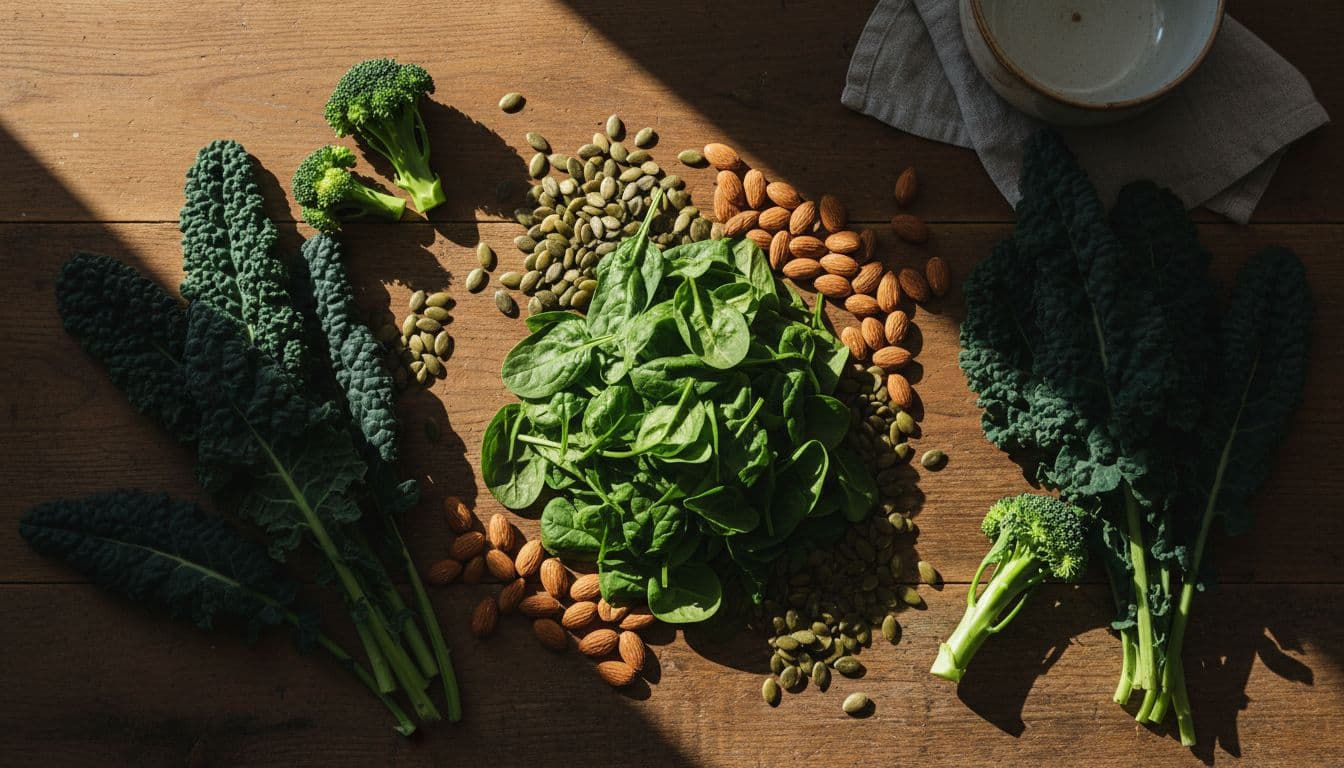
A bowl of beans at lunch and a handful of seeds later can go farther than people think. Supplements can help fill gaps, but food builds the base.
Better sleep and steadier energy often start with a simple question: are you feeding your body what it needs each day?
The best magnesium supplement depends on your goal, not just the label
Walk through any supplement aisle and the labels blur together. Glycinate, citrate, threonate, oxide. It can feel like choosing a lock without seeing the key. The best magnesium supplement is the one that fits your goal, your stomach, and your routine.
If you plan to buy magnesium supplements online, focus on basics first. Look for clear labeling, the amount of elemental magnesium per serving, and third-party testing. That matters more than fancy claims on the front of the bottle. If you're comparing options, a curated magnesium supplements collection can save time.
Magnesium glycinate, citrate, and L-threonate, what each one is best for
This quick comparison helps narrow the field:
| Form | Best fit | Main note |
|---|---|---|
| Magnesium glycinate | Sleep, calm, stress support | Gentle on the stomach for many people |
| Magnesium citrate | General use, digestion support | Can cause loose stools in some people |
| Magnesium L-threonate | Brain-focused support | Often chosen for mood and mental clarity |
Glycinate is often the favorite for magnesium supplements for sleep because it tends to feel calming. Citrate absorbs well, but it's not ideal if you already have a sensitive stomach. L-threonate gets attention for brain support, though it's usually pricier.
How to take magnesium for sleep, stress, and better daily energy
Timing can help. Many people take magnesium in the evening when they want support for winding down. Others split the dose with meals to make it easier on the stomach.
Start low, follow the label, and give it time. Magnesium for stress and anxiety may help more after a few weeks, especially when paired with better sleep habits and less late-night stimulation. For bedtime support, readers often pair a well-chosen formula with sleep support options.

What to check before you buy magnesium supplements online
Keep your checklist short. Look for the magnesium form, dose per serving, clean ingredient lists, and outside testing when possible. Skip products that hide amounts behind vague blends.
A useful rule is simple: if the label makes bold promises but gives thin details, move on. You can also compare forms and shopping tips through a trusted wellness blog before you buy.
Your liver already detoxes your body, daily habits simply help it do the job well
The liver isn't waiting for a three-day juice cleanse to wake up. It's already working, hour by hour, filtering blood, processing nutrients, handling medications, and helping package waste so your body can remove it.
That's why the phrase "daily liver detox" needs a reality check. What helps most is not punishment. It's support. Johns Hopkins Medicine's explanation of liver detox myths makes the point clearly: extreme cleanses don't have strong proof, and some can even backfire.
What your liver does all day, from filtering waste to managing energy
Your liver is part filter, part factory, part traffic controller. It helps manage blood sugar, stores nutrients, processes alcohol, breaks down substances, and supports hormone balance. When liver health suffers, day-to-day life can feel off. Energy dips. Thinking feels foggy. Digestion may seem less smooth.
That doesn't mean every bad day points to liver trouble. It means this organ quietly touches a lot of how you feel.
Daily habits that support natural liver detox without extreme cleanses
Real liver support looks plain on paper, but it works. Drink enough water. Eat more fiber. Add greens, beets, garlic, beans, fruit, and whole foods more often. Move your body most days. Aim for 7 to 9 hours of sleep. Cut back on alcohol and ultra-processed food.

These habits have stronger support than trendy liver cleanse supplements. They also help your whole body, not only your liver. That's the difference between a health habit and a marketing story.
When a liver support supplement may make sense, and what to look for
A natural liver detox supplement may make sense if your routine is already solid and you want extra support, not a shortcut. Common ingredients include milk thistle, turmeric, and artichoke. The evidence is mixed, and benefits vary by product, dose, and person.
That's why it helps to keep expectations honest. Some blends may support healthy routines, but they don't replace sleep, food quality, or drinking less alcohol. If you're browsing liver support supplements, look for transparent labels and avoid formulas that promise a full-body "flush." For a research-based look at diet and natural products for liver enzymes, see this umbrella review in Frontiers in Nutrition. If milk thistle interests you, the NCBI summary on milk thistle and liver disease adds useful context.
Why magnesium and liver support work best as part of the same wellness routine
These two topics fit together better than they first appear. Magnesium helps the body settle, rest, and make energy. Liver-friendly habits help the body process nutrients and clear waste well. Put them together, and the day often feels less jagged.
Direct research on pairing magnesium with daily liver support is still limited, so hype isn't helpful here. What matters is the practical overlap: real food, better sleep, hydration, less alcohol, and supplements chosen for a clear reason.
A simple daily routine for better sleep, stress relief, and steady energy
Start the day with water and a breakfast that includes whole foods. Add magnesium-rich foods at lunch or dinner, such as beans, greens, or seeds. Take a walk, even if it's short. Keep alcohol occasional, not automatic. Then hold a steady bedtime.

If food still doesn't cover your needs, add a supplement that matches your goal. That might mean magnesium glycinate at night, or a simple liver support blend if your clinician agrees.
Safety notes, medication checks, and when to talk with a doctor
Magnesium isn't right for everyone. Kidney disease, some medications, and high doses can raise the risk of side effects. Diarrhea and stomach upset are the most common problems. Pregnancy, long-term health conditions, and heavy supplement use deserve extra care.
Talk with a doctor if you have yellow skin, dark urine, lasting severe fatigue, ongoing cramps, or sleep problems that won't ease. Supplements should support your plan, not replace medical care.
Modern life can leave you feeling wrung out before dinner. Still, better health usually starts with simple things done often: enough magnesium, better sleep, real food, water, and daily habits that help the liver do its own work.
Pick one step this week. Review your magnesium intake, improve one liver-friendly habit, and choose clean, trusted supplements only if they fit your needs.